Choosing the Best Remodeling Contractor
Award-Winning Remodeling Contractor: Transform Your Home With Professional Design and Quality Craftsmanship
Home remodeling can greatly improve both visual appeal and practicality. A top-rated remodeling contractor plays an important role in this transformation. Their proficiency integrates creative planning with quality craftsmanship, ensuring that each undertaking meets the property owner's goals. However, not all builders are identical. Understanding the key qualities and processes involved is essential for a successful outcome. What should property owners evaluate when embarking on this endeavor?
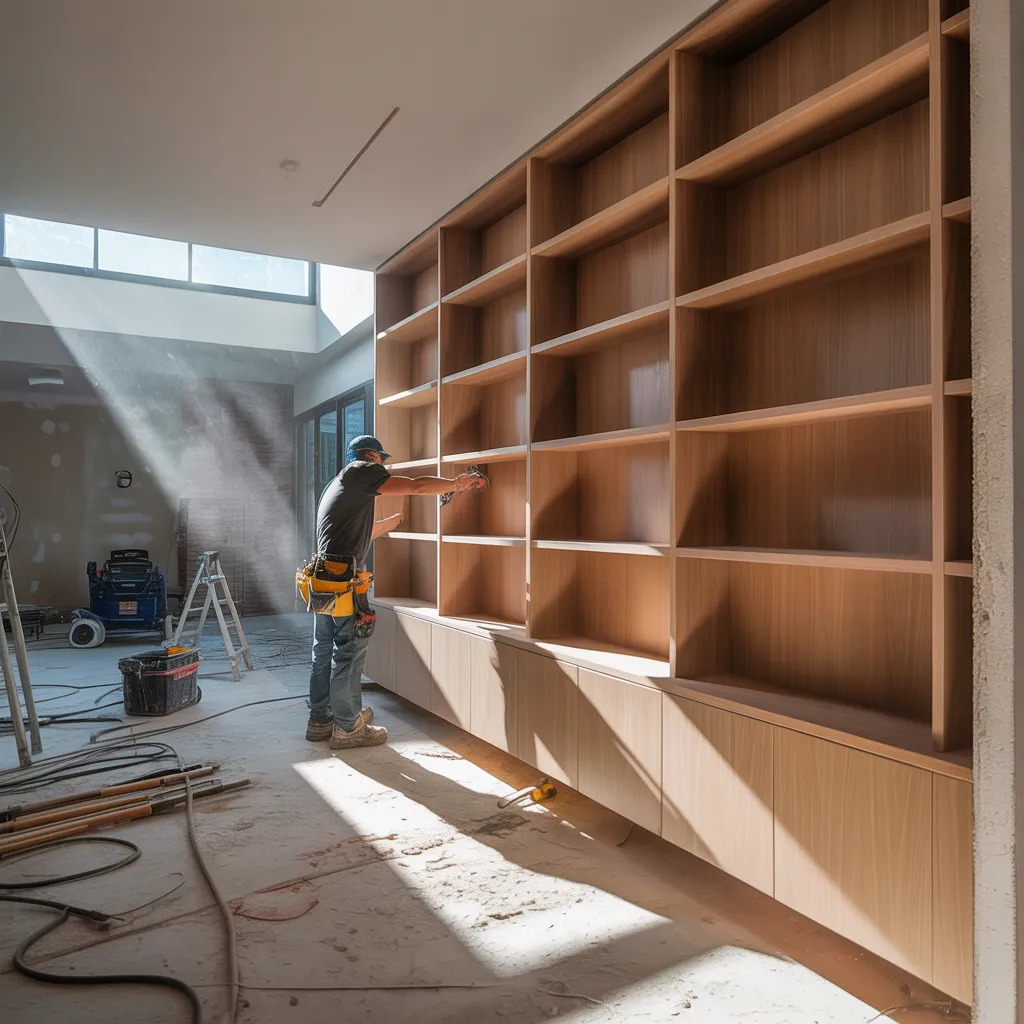
The Significance of Hiring a Top-Rated Renovation Contractor
When beginning a restoration assignment, the decision to hire a top-rated contractor can considerably impact the success. A talented builder exhibits the expertise and history required to navigate the intricacies of home renovations. They can present valuable perspective into design choices, finishes, and project durations, ensuring that the project aligns with the homeowner's expectations and budget.
Well-reviewed contractors typically feature positive reviews and an outstanding portfolio, highlighting their earlier accomplishments and client satisfaction. This track record can foster assurance in residents, easing concerns connected to major renovations. Moreover, a trusted professional tends to have solid partnerships with material providers and specialized contractors, which can afford better pricing and quality of materials.
Ultimately, selecting a top-rated renovation specialist not only boosts the potential for a effective project but also fosters a cooperative setting where creativity and inspiration bloom, resulting in a remodeled home that reflects the homeowner's objectives.
Important Traits to Evaluate When Selecting a Remodeling Contractor
Selecting the ideal renovation specialist transcends simply examining testimonials and past work; it necessitates identifying specific qualities that ensure a successful partnership. Initially, a well-regarded professional must possess strong communication skills, ensuring that they can express concepts effectively and understand client requirements. Next, experience in the specific type of remodeling project required is crucial, as it demonstrates a established history of quality work. Additionally, a skilled professional should be licensed and insured, offering assurance concerning risk protection and security. Dependability is another critical quality; a contractor should adhere to schedules and costs, reducing unexpected delays. Ultimately, a solid portfolio showcasing varied finished work demonstrates an capacity to accommodate various styles and client preferences. By relevant article focusing on these qualities, homeowners can choose wisely when selecting a renovation specialist, eventually resulting in a positive residential renovation.
Sought-After Remodeling Selections to Assess
Homeowners typically confront countless options when exploring remodeling projects, each delivering unique benefits and enhancements. Among the most favored projects are kitchen renovations, which can substantially improve operational efficiency and visual aesthetics. Improving kitchen countertops, cabinet systems, and kitchen fixtures not only updates the space but also strengthens the market value of the home.
Bathroom remodels are another popular option, offering a haven for unwinding and self-care. Homeowners regularly choose modern fixtures, sophisticated tile work, and enhanced designs to increase coziness.
In addition, basement finishing has picked up momentum as a means to expand living space, building multifunctional spaces for entertainment and home offices.
Exterior enhancements, such as deck installations or outdoor landscaping, also continue in popularity, allowing homeowners to maximize their outdoor enjoyment. Each of these ventures not only transforms the living setting but can also generate a substantial return on investment.
The Design Process: Partnership With Your Builder
The design process in remodeling calls for a key team effort between the occupant and the service provider. During the initial consultation meeting, dreams and designs are shared, establishing the foundation for the initiative. Then afterward, design refinements develop, allowing adjustments and ultimately leading to approval before construction begins.
First Consultation Gathering
How does an initial consultation meeting set the stage for a successful remodel? This crucial initial phase enables homeowners and contractors to create a mutual understanding of the vision and objectives of the project. During this meeting, clients present their ideas, needs, and budget, while contractors evaluate the space and provide insights on feasibility. Strong communication is essential, as it builds trust and collaboration between both sides. Contractors may also display collections of previous work, offering ideas and showcasing their skill. By resolving any issues and planning timelines, the initial consultation lays the groundwork for a fruitful partnership. Ultimately, this session is crucial for matching goals and ensuring that the remodeling project starts on a strong footing.
Design Evolution and Authorization
During the design process, coordination between homeowners and contractors becomes crucial for refining the project vision. This phase focuses on transparent exchange, allowing both parties to convey ideas, preferences, and concerns. Contractors propose initial design concepts based on the homeowner's input, which leads to iterative revisions. Each design iteration serves as a stage toward the final layout, integrating feedback and making necessary adjustments. Homeowners should feel empowered to express their thoughts, ensuring the design matches their aspirations. Approval of the final design represents a critical milestone, solidifying the project blueprint. This joint strategy fosters a sense of ownership and satisfaction, paving the way for successful implementation and ultimately transforming the home into a personalized living space.
Understanding the Costs of Home Remodeling
Knowing the financial obligations tied to home remodeling is crucial for any homeowner undertaking a project. Budgeting effectively requires not only accounting for the main expenses but also identifying hidden costs that may appear during the renovation process. Knowledge of these monetary factors can help ensure a more streamlined and more successful renovation experience.
Developing Your project budget
Budgeting for a home renovation project requires careful consideration of multiple costs involved. Homeowners should start by identifying the parameters of the project, which will greatly influence the total budget. Key expenses commonly include materials, labor, permits, and design fees. It is vital to examine and secure quotes from numerous contractors to establish a realistic estimate. Likewise, homeowners should consider whether they will perform any of the work themselves, which can diminish labor costs. Forming a contingency fund is also advisable, as it provides for unforeseen expenses that may emerge during the remodeling process. By methodically evaluating these factors, homeowners can create a all-encompassing budget that aligns with their budget constraints and project goals.
Additional Expenditures to Be Aware Of
While property owners often concentrate on the major expenses of a renovation undertaking, they may overlook numerous concealed expenses that can significantly impact the total expenditure. These expenses can include permits and inspections, which vary by location and project type. Unexpected building problems, such as deterioration or obsolete electrical systems, may also arise during remodeling work, requiring extra money. Property owners should also account for the expenses for interim accommodations if the project demands substantial labor. In addition, design changes during the process can result in increased expenses, as can the choice of premium finishes. Finally, post-remodeling costs, such as fresh furniture or landscaping, can further burden the budget. Awareness of these hidden expenses is crucial for sound budget management.
Tips for a Successful Home Renovation Project
A successful home renovation project is grounded in thorough planning and clear communication. Homeowners should start by establishing a practical budget and timeline, anticipating potential delays and unexpected costs. Hiring a reputable remodeling contractor is essential; they bring skill and can offer insights that reduce time and money.
Owners should also establish a comprehensive design blueprint, incorporating materials and finishes, to ensure a unified look. Ongoing consultations with the contractor support alignment on progress and tackle any concerns promptly. Communication should continue to be transparent and engaged, fostering a cooperative working environment.
Additionally, it's prudent to prepare for interruptions by creating a short-term living space, particularly for bigger projects. Ultimately, patience is crucial; renovations can be stressful, but a positive mindset will lead to a smoother process and contentment with the final outcome. By following these tips, homeowners can improve their renovation experience and achieve their desired results.
Frequently Requested Questions
What Duration is Required for a Typical Remodeling Project to be Completed?
A typical renovation undertaking can take between a few weeks and several months to complete. Factors affecting the timeframe include project size, intricacy, and the efficiency of the contractor and trades involved.
What Forms of Guarantees Do Remodeling Contractors Deliver?
Remodeling contractors typically give warranties on workmanship, materials, and appliances. These warranties can vary from one year to a lifetime, according to the contractor and specific project details, ensuring confidence to homeowners regarding quality and durability.
How Can I Confirm a Contractor's Credentials and Coverage?
To verify a contractor's credentials and coverage, one can review state licensing boards and online databases. Additionally, obtaining copies of insurance certificates directly from the contractor guarantees coverage is valid and meets required standards.
What could I Do if I'm Dissatisfied With the Work?
In case discontent arises, the homeowner should discuss issues directly to the contractor. Document problems, evaluate the contract, and work toward amicable resolution. If continuing unresolved, consider dispute resolution or connecting with local authorities for supplementary assistance.
What Payment Solutions Are Available for Home Remodeling Projects?
Many remodeling contractors provide various payment solutions, such as personal loans, home equity credit lines, and installment arrangements. Property owners ought to investigate these options to discover a solution that suits their budget and project needs efficiently.